HSBC credit cardholders can enjoy up to extra $550 RewardCash! Selected items Up to 50% off! Store Locator HKD icon-earth
English
Hot Search
Galaxy S26 Series
iPhone 17/ 17 Pro / Air Series
iPad air (M4) (2026)
iPhone 17e
iKKO MindOne Pro Smartphone
Macbook Air/ Pro/ Neo (2026)
Xiaomi 17 Series
Airpods Pro 3
Apple MacBook Pro (M5)
Apple iPad Pro (M5)
New Philips Espresso Machine
Dehumidifier
Yashi Suitcase
LEGO® Merchandise
Royal Cannie Pet Food Supply
Aixia Cat Food
PencilWash™ wet floor cleaner
Dyson V10 Optic™
icon-my-cart
0
Categories
Brand
Promotions
Bank Offer
Services
Shopping Tips
Member Zone
Merchant Zone
icon-techlife
TechLife
Apple Zone
Categories
Hot Search
Galaxy S26 Series
iPhone 17/ 17 Pro / Air Series
iPad air (M4) (2026)
iPhone 17e
iKKO MindOne Pro Smartphone
Macbook Air/ Pro/ Neo (2026)
Xiaomi 17 Series
Airpods Pro 3
Apple MacBook Pro (M5)
Apple iPad Pro (M5)
New Philips Espresso Machine
Dehumidifier
Yashi Suitcase
LEGO® Merchandise
Royal Cannie Pet Food Supply
Aixia Cat Food
PencilWash™ wet floor cleaner
Dyson V10 Optic™

Why Do the Elderly Need Mobility Aids?

As we age, going out can present new challenges: knee pain, decreased balance, quick fatigue, and a growing fear of falling. These issues not only reduce a senior's desire to leave the house but can also lead to a decline in social activities, negatively impacting both physical and mental well-being.

Fortunately, the right mobility aids can effectively solve these problems, helping the elderly regain their confidence to step outdoors. The three most common mobility aids on the market are Crutch Chairs, Walker Frames, and Walking Carts. Each has unique features tailored to different scenarios. Choosing the right tool not only prevents falls but also helps seniors maintain their independence. Let's break down the differences and key buying points for each.
3 Common Types of Mobility Aids in Hong Kong

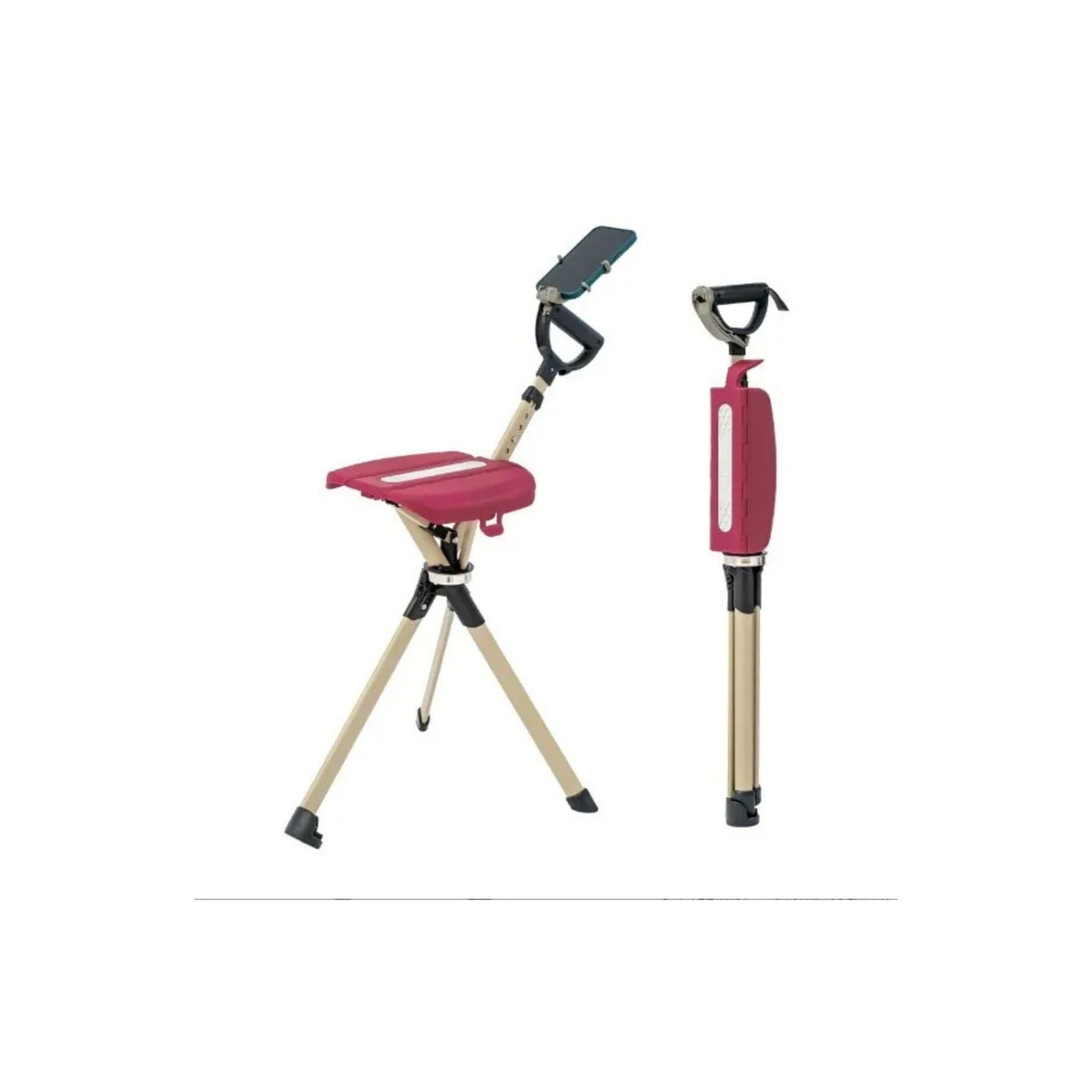
Crutch Chair

1. Crutch Chair (Crutch with Seat)

Best For: Seniors who can walk relatively well but get tired easily and need to sit down for short breaks.

Key Features:

  • 2-in-1 design combining a crutch and a fold-out seat.
  • Lightweight and highly portable, perfect for light outings.
  • Provides moderate support, suitable for those with normal balance.

Design Considerations:

  • Handle height must be adjustable.
  • Seat weight capacity must be sufficient (usually 100-120kg).
  • Anti-slip rubber tips are essential to ensure stability and prevent slipping.

💡 Common Scenarios: Strolling in the park, waiting for a bus, or queuing at the store where a quick rest is needed.
Walker Frame

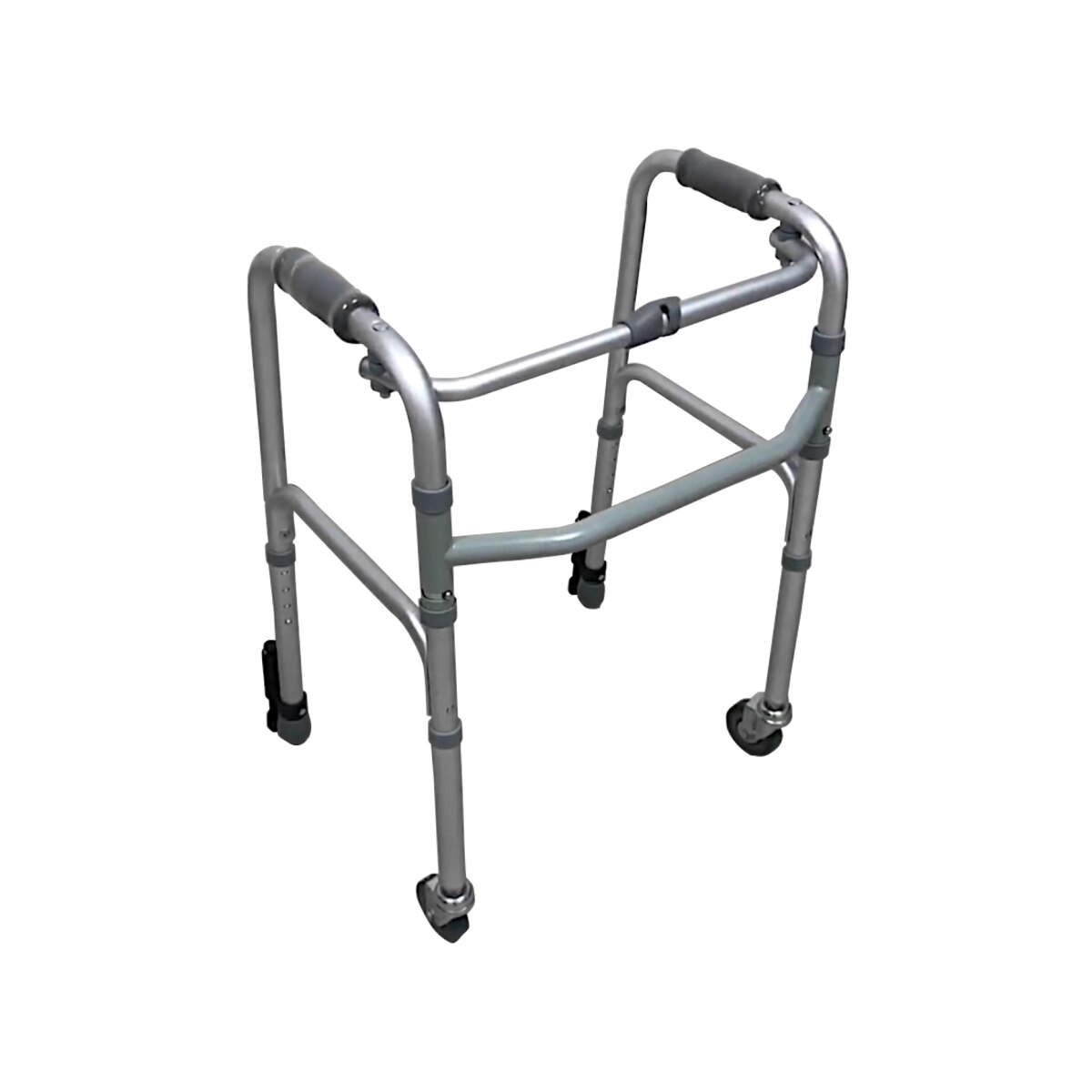
2. Walker Frame

Best For: Seniors with weak balance, lower limb weakness, or those who need the most stable support.

Key Features:

  • Provides 4-point ground support, making it the most stable option among the three.
  • Relatively lightweight and easy to lift.
  • Ideal for indoor use and short distances.

Common Variations:

  • Standard Walker Frames: Require the user to lift the entire frame to move forward; suitable for those with good upper body strength.
  • Wheeled Walker Frames: The sides can move alternately, or front wheels allow for easier pushing, saving energy.
  • Foldable Walker Frames: Easy to store away or pop into a taxi trunk.

💡 Common Scenarios: Moving safely around the home, short trips downstairs, or during early post-surgery rehabilitation.
Walking Cart

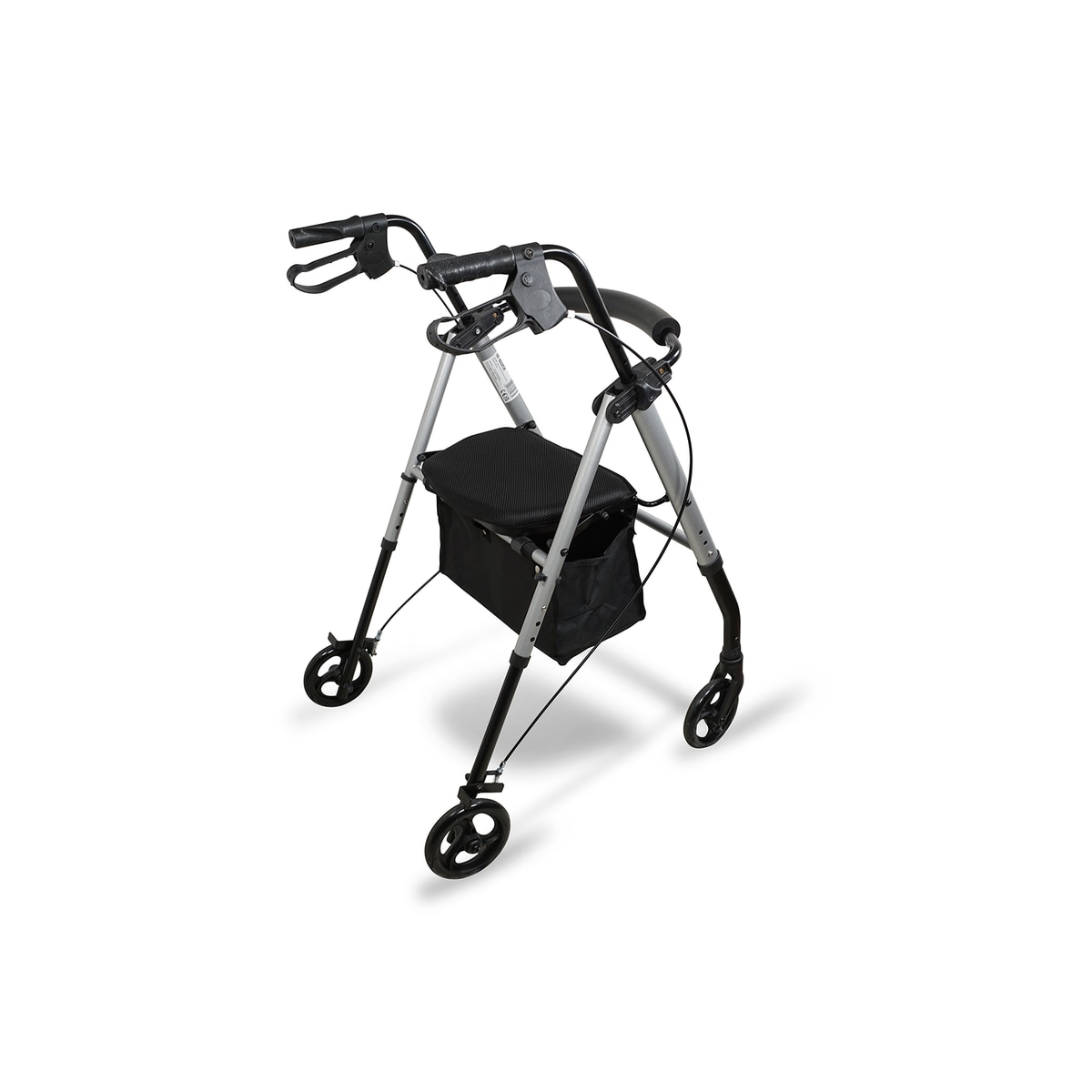
3. Walking Cart

Best For: Seniors who go on long outings, enjoy shopping, and need to carry personal items.

Key Features:

  • Equipped with a comfortable seat and a storage basket/bag.
  • Can be pushed or sat upon, offering the most comprehensive functionality.
  • Comes with a built-in braking system for high safety.

Common Variations:

  • 3-Wheel Walking Carts: Very agile turning, ideal for tight indoor spaces like narrow home corridors or supermarkets.
  • 4-Wheel Walking Carts: Offers superior stability and grip, highly recommended for outdoor use.
  • Foldable Models: Can be collapsed to fit into car trunks for family trips.

💡 Common Scenarios: Grocery shopping at the wet market, attending medical appointments, going for dim sum, or taking long walks in the park.

Quick Comparison Table

Product Type Stability Portability Features Best For
Crutch Chair ⭐⭐⭐ ⭐⭐⭐⭐⭐ ⭐⭐⭐ Light walks, short outings, queuing
Walker Frame ⭐⭐⭐⭐⭐ ⭐⭐⭐⭐ ⭐⭐ Indoor fall prevention, rehab, short distances
Walking Cart ⭐⭐⭐⭐ ⭐⭐⭐ ⭐⭐⭐⭐⭐ Grocery shopping, long outings, Yum Cha
Tip: Swipe left or right to view the table on mobile

5 Key Points When Buying a Mobility Aid

✅ 1. Assess the User's Mobility First

Before purchasing, understand the senior's physical condition:

  • Can walk independently but gets tired easily? 👉 Consider a Crutch Chair.
  • Poor balance, needs two-handed support to stand? 👉 Choose a Walker Frame.
  • Can walk decently but needs to carry items or rest frequently? 👉 A Walking Cart is best.
💡 Pro Tip: If you are unsure of the user's mobility level, consult a physical therapist or occupational therapist for professional advice.

✅ 2. Check Height Adjustability

The height of the mobility aid must match the user's height to provide proper support and avoid strain:

  • Correct Height: When standing straight with arms relaxed, the elbows should be bent at a 20-30 degree angle when holding the grips.
  • If too high: The user will shrug their shoulders to push down, leading to neck and shoulder fatigue.
  • If too low: The user will hunch over, negatively affecting balance and spinal health.
  • Locking Mechanism: Ensure the height adjustment locks securely (via push-pins or twist locks) so it won't suddenly collapse during use.

✅ 3. Check Product Weight and Weight Capacity

  • Product Weight: Crutch chairs are ~1.5-2.5kg (easy to carry); Walker Frames are ~2-3kg (user must be strong enough to lift it); Walking Carts are ~5-8kg (consider if family members need to carry it up stairs or into a car trunk).
  • Weight Capacity: Standard products support 100-120kg. For heavier individuals, always opt for heavy-duty models (supporting 150kg or more) for safety.

✅ 4. Ensure Anti-Slip and Braking Functions

  • Anti-Slip Design: Check for soft rubber grips, thick rubber tips on the legs, and anti-slip tread on walking cart wheels.
  • Braking System (For Walking Carts):
    - Handbrakes: Similar to bicycle brakes, for flexible speed control.
    - Push-down Brakes: Stop the walking cart simply by pressing weight down onto the handles (great for seniors with weak hand strength).
    - Parking Brakes: Crucial for locking the wheels completely before sitting down, preventing the walking cart from rolling away.

✅ 5. Consider Foldability and Storage

Given the generally smaller living spaces in Hong Kong, compact storage is vital:

  • A foldable design saves significant space at home.
  • Look for "one-click" folding mechanisms that are easy for the elderly to operate themselves.
  • When folded, the thickness should ideally be under 30cm, and it is a huge plus if it can stand upright on its own without tipping over.

🔍 Fortress Top Mobility Aids Recommendations

Based on different elderly needs, we have selected three popular fall-prevention mobility aids available at Fortress:

Type Crutch Chair Walker Frame Walking Cart
Brand TADA Prozone Aidapt
Product Name Ta-Da Crutch Chair Series 2 Ta-Da Crutch Chair Series 2 (PRO) 18.5 inch Walker Frame 18.5" Walker Frame (Soft Armrest) Aidapt Lightweight Walking Cart Lightweight Foldable Walking Cart (6" Wheels)
Product Code 13978585 13965055 14041663
Key Features
  • 2-in-1 crutch and seat, rest anywhere
  • Lightweight foldable design
  • Ergonomic comfortable handle
  • Height adjustable
  • Sturdy capacity, anti-slip base
  • Foldable for space-saving storage
  • 360° front wheels for agile turning
  • Rear spring-loaded glides for smooth walking
  • Height adjustable to reduce back strain
  • Durable, lightweight aluminum alloy
  • Lightweight, provides stable walking
  • 6-inch wheels for indoor/outdoor use
  • One-click folding mechanism
  • Equipped with safe braking system
  • Includes basket for personal items
Best For Seniors who can walk well but need breaks. Perfect for strolls, queuing, or light shopping. Seniors with weak balance who tire easily, need firm support but want agile movement. Seniors going on long outings, shopping at the market, or walking in parks.
Shop Now View TADA Details View Prozone Details View Aidapt Details
Tip: Swipe left or right to view the product comparison

Frequently Asked Questions (FAQ)

Q1: What is the difference between a walker frame and a crutch?
A: A walker frame provides 4-point support, offering the highest stability and fall prevention, making it ideal for seniors with weak balance. A crutch only offers 1-point support, suitable for those who just need light assistance. A "crutch chair" bridges the gap, adding a seating function so users can rest anytime.
Q2: How do I know if the height of the mobility aid is correct?
A: Correct adjustment method: Have the senior stand up straight with arms hanging naturally. The handle should line up with the crease of their wrist. When holding the handle, the elbows should bend at a 20-30 degree angle. They should not need to shrug their shoulders or hunch over.
Q3: Can a walking cart be used on stairs?
A: Standard walking carts are not suitable for stairs; their wheels and frames are designed for flat surfaces. For stairs, it is recommended to seek a caregiver's help, choose a lightweight foldable model that can be carried, or rely on stable staircase handrails instead.
Q4: Which is better: a 3-wheel or 4-wheel walking cart?
A: Each has its advantages. A 3-wheel walking cart has a tighter turning radius and is usually narrower, making it excellent for tight indoor spaces. A 4-wheel walking cart offers a wider base of support and higher stability, making it the safer choice for outdoor use and uneven pavements.
Q5: Will using a mobility aid make the elderly overly dependent on it and cause physical decline?
A: This is a very common misconception! Proper use of mobility aids actually increases their confidence and reduces the fear of falling, encouraging them to go outside more often. Staying active safely helps maintain cardiopulmonary function and muscle strength, which effectively slows down physical decline compared to staying at home out of fear.