【Fortress Thanksgiving】15/4-14/5: 10 Treasures! Hot items from 1% off|Up to 10% off eshop coupon|8 Super Brands Store Locator HKD icon-earth
English
Hot Search
Galaxy S26 Series
iPhone 17/ 17 Pro / Air Series
iPad air (M4) (2026)
iPhone 17e
iKKO MindOne Pro Smartphone
Macbook Air/ Pro/ Neo (2026)
Xiaomi 17 Series
Airpods Pro 3
Apple MacBook Pro (M5)
Apple iPad Pro (M5)
New Philips Espresso Machine
Portable Fan
Yashi Suitcase
LEGO® Merchandise
Royal Canin Pet Food Supply
Aixia Cat Food
PencilWash™ wet floor cleaner
Dyson V10 Optic™
Stanley Tumbler
icon-my-cart
0
Categories
Brand
Promotions
Bank Offer
Services
Shopping Tips
Member Zone
Merchant Director
icon-techlife
TechLife
Apple Zone
Categories
Hot Search
Galaxy S26 Series
iPhone 17/ 17 Pro / Air Series
iPad air (M4) (2026)
iPhone 17e
iKKO MindOne Pro Smartphone
Macbook Air/ Pro/ Neo (2026)
Xiaomi 17 Series
Airpods Pro 3
Apple MacBook Pro (M5)
Apple iPad Pro (M5)
New Philips Espresso Machine
Portable Fan
Yashi Suitcase
LEGO® Merchandise
Royal Canin Pet Food Supply
Aixia Cat Food
PencilWash™ wet floor cleaner
Dyson V10 Optic™
Stanley Tumbler

What are Smart Home Sensors? Why are they essential for the elderly?

Smart home sensors are compact devices designed to monitor your home for unusual activities. When they detect hazards like water leaks, opened doors/windows, or smoke, they instantly emit a loud alarm and send a push notification to a connected smartphone via Wi-Fi. This allows adult children or caregivers to be informed immediately and intervene, even when they are not at home.

⚠️ High-Risk Scenarios for Elderly Households:

  • Kitchen/Bathroom Leaks: Seniors with poor eyesight might not notice water pooling on the floor, which poses a severe slip-and-fall risk.
  • Doors Opened at Night: Seniors might not hear noises outside, or may forget to lock the door due to memory decline, increasing the risk of burglary or wandering (especially for dementia patients).
  • Smoke/Fire: Slower reaction times and impaired hearing make early alarms and remote notifications crucial if they forget to turn off the stove.

3 Types of Sensors: Which One Do You Need?

💧 1. Water Leak Sensor

Best for: Families worried about aging pipes, slow-draining bathroom floors, or loose washing machine hoses causing flooding.

🛒 Buying Tips:

  • High Sensitivity: Choose a small, low-profile model that rests flat on the floor to trigger at the first sign of water.
  • Clear Alarm: The volume must be loud enough so seniors in the living room can hear an alert from the bathroom.
  • Easy Maintenance: Look for long battery life and hassle-free battery replacement.

🚪 2. Door/Window Sensor

Best for: Seniors living alone, those prone to wandering at night, or families wanting extra home security.

🛒 Buying Tips:

  • Stable Connection: Magnetic sensors must be precise to avoid false alarms from slightly rattling doors.
  • Customizable Schedules: Ensure the app allows you to set specific notification hours (e.g., alert me only if the front door opens after 11 PM) to avoid daytime disturbance.
  • Secure Mounting: Installation should be simple but firmly attached with strong adhesive.

🔥 3. Smoke Sensor

Best for: Households that cook frequently, use many high-power appliances, or seniors who tend to leave the stove on.

🛒 Buying Tips:

  • Reliable Mechanism: Photoelectric sensors are excellent at quickly detecting smoldering smoke early on.
  • Accessible Testing: Since it's mounted on the ceiling, it should have a physical button for easy routine testing.
  • Smartphone Alerts: If a fire starts and the senior panics, remote notifications allow distant family members to call emergency services on their behalf.

5 Key Buying Points for Elderly Households

  • Loud & Clear Alarms: Volume should be at least 80dB with easily recognizable alert tones.
  • Instant Notifications: The system must instantly push alerts to the caregiver's or adult child's smartphone.
  • Wire-Free Installation: Opt for battery-powered, wireless designs that stick to walls via 3M tape or lay on the floor, avoiding messy wiring.
  • Low False Alarms: Sensitivity should be balanced. Frequent false alarms cause frustration and may lead the senior to simply turn the device off.
  • Easy Maintenance: Should feature low-battery app alerts and require minimal effort to test or change batteries.

🔍 Fortress Recommendations: VOCA Smart Home Sensor Kit

If you want to quickly build a reliable safety net for your elderly parents, we highly recommend the VOCA Smart Home Sensor Kit. It covers all core safety needs and can be paired with an elderly-friendly SIM card phone for ultimate protection:

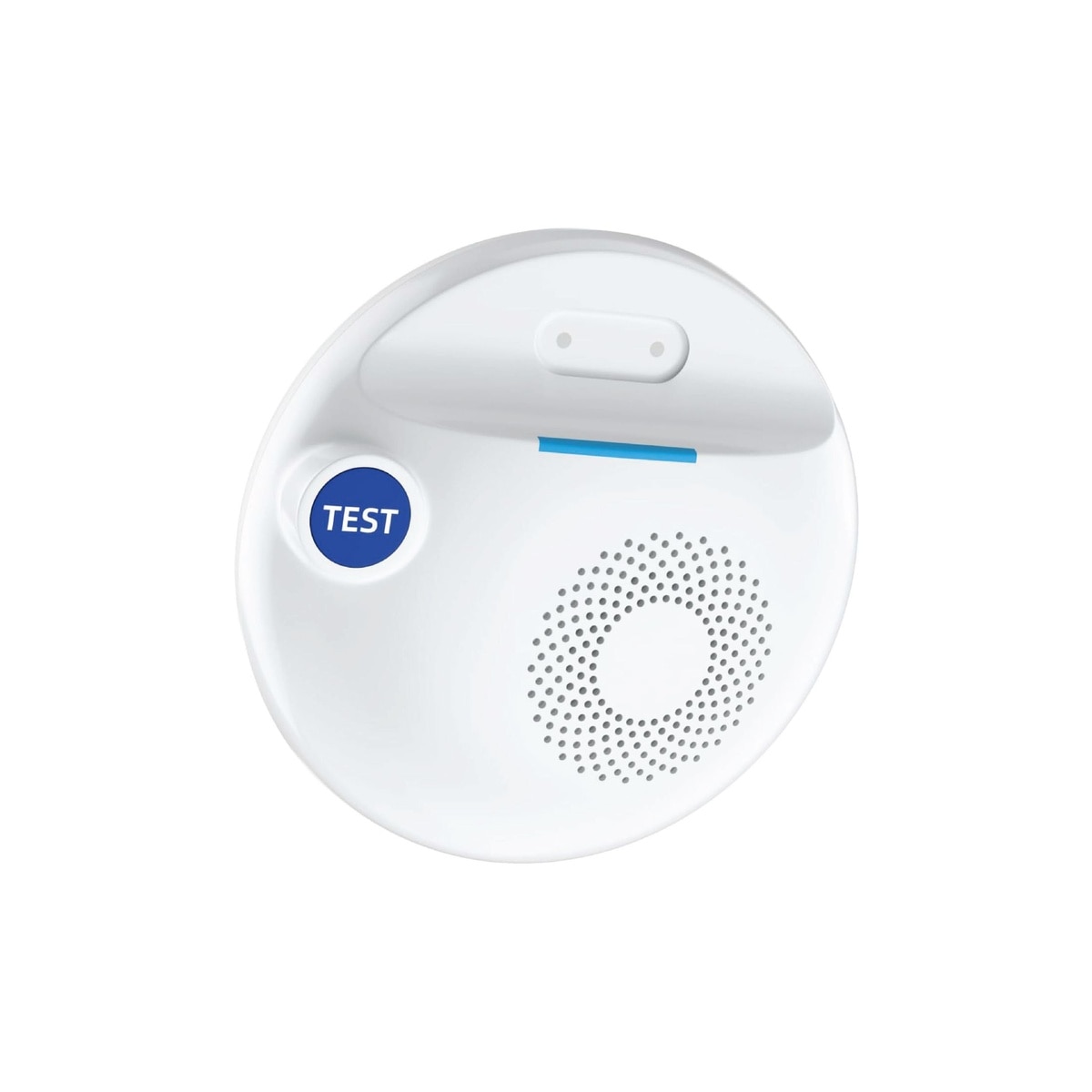
Product VOCA SPA15
Water Leak Sensor
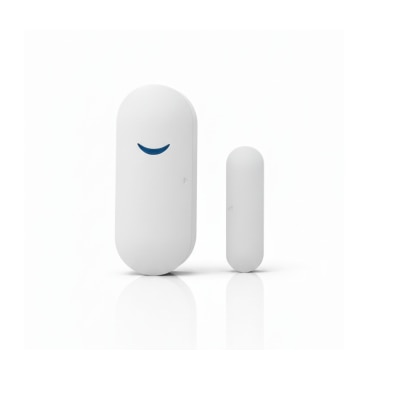
VOCA SPA05
Door/Window Sensor
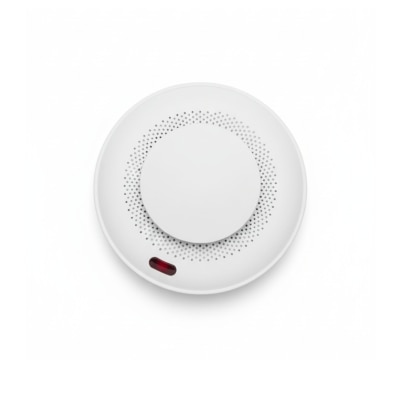
VOCA SPA08
Smoke Sensor
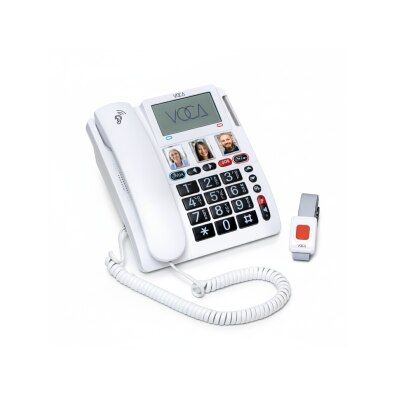
VOCA CP141
4G Home SIM Phone
Appearance VOCA SPA15 Water Leak Sensor VOCA SPA05 Door/Window Sensor VOCA SPA08 Smoke Sensor VOCA CP141 4G Home SIM Phone
Main Function Detects abnormal water accumulation and leaks. Real-time monitoring of door/window open statuses. 24/7 detection of abnormal smoke and fire. (Optional Add-on)
Features a Whitelist/Blacklist function to block scam calls.
Suggested Placement Under the kitchen sink, bathroom vanity, or washing machine hose. Main entrance, balcony doors, or easily accessible windows. Living room/Hallway ceiling (Avoid placing directly over the stove). Fixed spot in the living room or bedroom, near the senior's usual seating area.
Best For Preventing slip hazards, flooding, and property damage. Seniors living alone, anti-wandering alerts, and anti-burglary. Frequent cooks or homes with high-power appliances. Seniors plagued by frequent scam calls or telemarketing.
Shop Now View Water Sensor View Door Sensor View Smoke Sensor View Home Phone
Tip: Swipe left or right to view the product comparison

Frequently Asked Questions (FAQ)

Q1: Do sensors have to be paired with a smartphone to work?
A: Not necessarily. The primary goal is an instant, loud alarm at home. If adult children or caregivers are receiving the alerts, only they need to install the smartphone app. The elderly person does not need to know how to use a smartphone.
Q2: Where is the best place to put a water leak sensor?
A: It is best placed in hidden areas most prone to plumbing leaks, such as under the kitchen sink, beside the washing machine hose, and underneath the bathroom vanity cabinet, so even minor pooling is detected early.
Q3: Will smoke sensors trigger false alarms frequently?
A: If installed directly above the kitchen stove, cooking fumes and steam can trigger false alarms. It is recommended to install them in the hallway or living room just outside the kitchen, and perform regular tests using the test button.

👴 Fortress Silver Ambassador Tips

Once you purchase and install the sensors, don't stop there! We highly recommend conducting a "Safety Drill" with your elderly loved ones. Manually trigger the alarms so they become familiar with the sounds and know exactly what to do when they hear them.

💡 Practical Tip: Stick a large-print, simple instruction sheet on the fridge door or next to the phone. For example:

  • 💧 If Water Alarm Sounds: Stay away from the puddle, turn off the main water valve, and call family.
  • 🔥 If Smoke Alarm Sounds: Do not try to fight the fire. Grab your keys, leave the house immediately, and call 999 and family once you are safe.