


High wattage, multiple blades and preset programmes often attract the most attention when choosing a blender. In everyday use, however, suitable capacity, worktop space, support for ice or hot ingredients, and ease of cleaning can matter just as much. Start by considering your usual recipes, portion sizes, frequency of use and storage space, then compare blades, speeds, attachments and safety features.
This blender buying guide compares hand blenders, countertop blenders, mini and cordless portable blenders, and electric hand mixers. Brands such as Vitantonio, Récolte, TEFAL, PHILIPS, BOSCH and Nutribullet offer blending products with different designs and functions. Understanding the key buying points below will make it easier to choose a model that fits your routine.
Which Type Is Right for You?
What do you make most often? Select one option:
Hand Blender, Blender and Electric Hand Mixer Comparison
Hand blenders, countertop blenders and electric hand mixers can all help mix or process ingredients, but their operating principles, methods and best uses are different. A hand blender works directly in a pot, jug or cup and is well suited to small portions; a countertop blender uses fast-spinning blades for drinks, ice and larger batches; and an electric hand mixer uses beaters to whip egg whites and cream or combine baking ingredients. Before choosing, consider the food you prepare most often, the usual portion size, and the worktop and storage space available. Then use the table below to compare the main functions, strengths, limitations and cleaning needs of each appliance type.
↔ Swipe horizontally to compare
| Hand blender | Countertop blender | Electric hand mixer | |
|---|---|---|---|
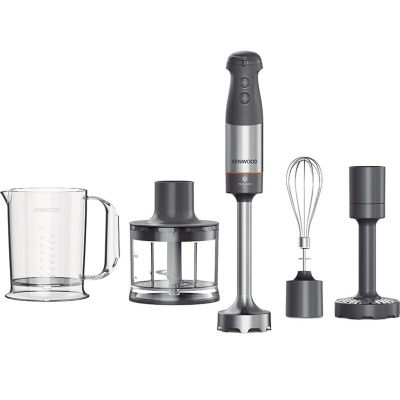 | 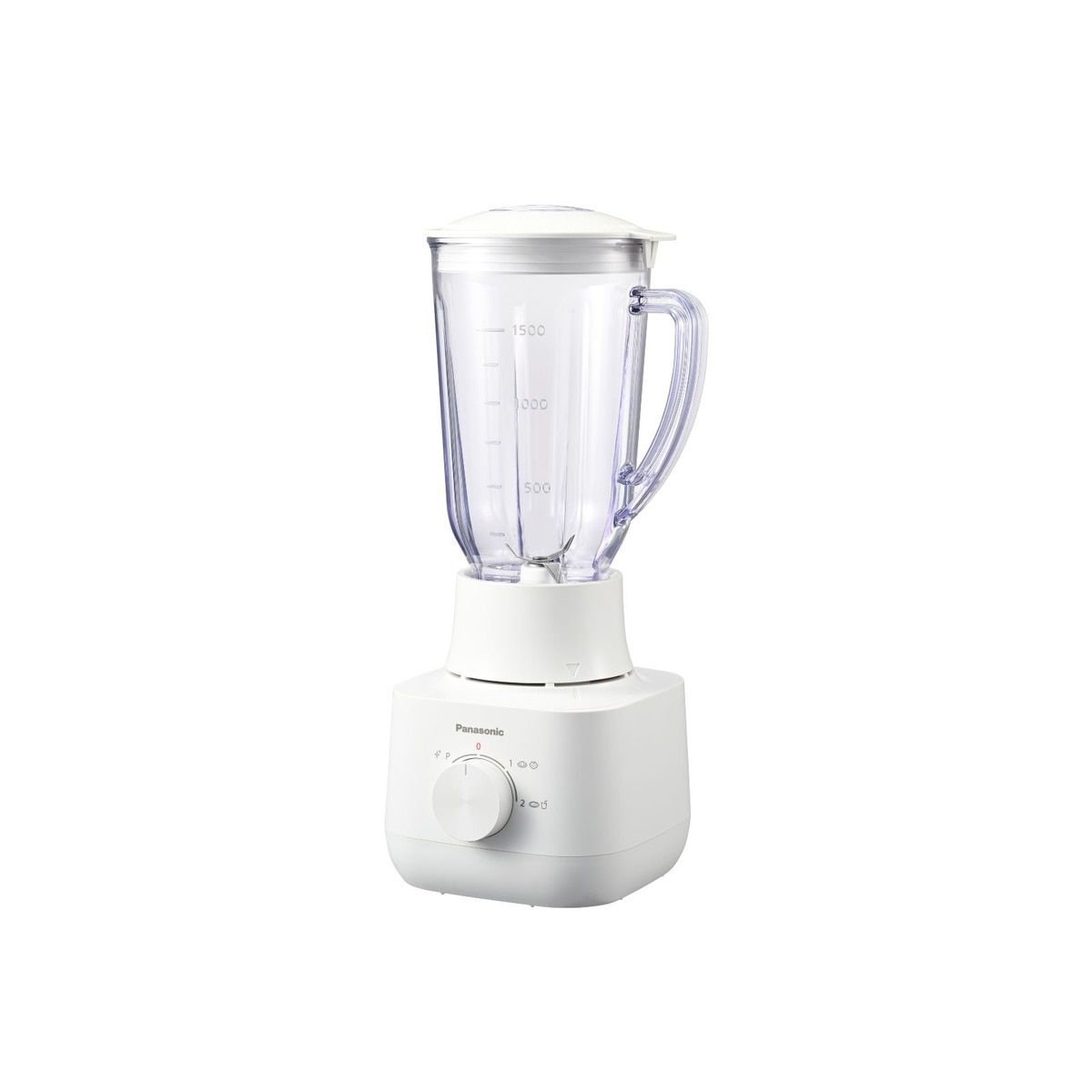 | 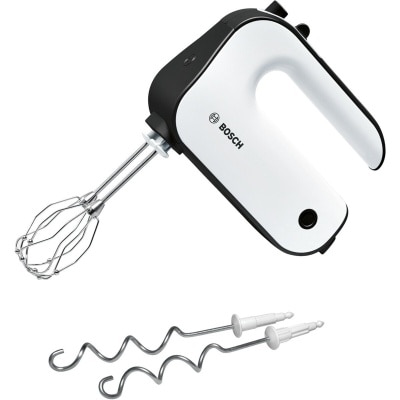 | |
| Main functions | Chopping, puréeing, grinding and blending ingredients | Chopping ingredients or ice, grinding and blending | Whipping egg whites and cream; some models can handle small portions of dough |
| Key strengths | Compact and easy to store; works with different containers and interchangeable attachments | Suitable for larger portions and continuous blending; some cups are portable | Efficient whipping for light, airy textures |
| Best for | Soups, congee, toddler meals, purées, sauces and cooking ingredients | Juices, milkshakes, smoothies, soups, congee and other drinks | Meringue, whipped cream and baking mixtures |
| Suitable portion | Small portions or blending directly in cookware | One or more servings and larger batches | Small to medium batches of baking ingredients |
| Main limitation | Requires handheld operation; attachments usually handle smaller quantities | Requires more worktop and storage space | Not suitable for chopping or puréeing ingredients |
| Cleaning and storage | The blending shaft or some attachments are usually removable; never immerse the motor unit. Requires little storage space. | The larger jug may take more cleaning. Check whether blades are removable and whether crevices are easy to reach. Requires more worktop or cupboard space. | Beaters are usually removable; wipe the appliance body only. Requires little storage space. |
What Is the Difference Between a Blender and an Electric Hand Mixer?
A blender uses a motor to rotate blades at high speed for chopping, grinding and blending. An electric hand mixer rotates beaters to mix, whip or emulsify ingredients. Although both appliances mix ingredients, they serve different purposes.
Hand Blender vs Blender: Which Should You Choose?
Both hand blenders and countertop blenders are useful. The better choice is the one that fits your everyday routine. Beyond portion size and storage, compare ingredient difficulty, desired texture, operating method and continuous run time.
Choose by ingredient and desired texture
A hand blender is convenient for soup, sauce, purée and small batches, especially when blending directly in cookware. For ice, frozen fruit, fibrous produce or consistently smoother drinks, choose a countertop blender that explicitly supports those ingredients.
Choose by operating method and frequency
A hand blender must be held and moved throughout use, making it suitable for short tasks and hands-on texture control. A countertop blender uses an enclosed jug and is generally more convenient for frequent use, longer blending cycles or preset programmes.
Do You Need Heating or Cooking Functions?
Some countertop blenders include heating, cooking or self-cleaning programmes that reduce food-transfer steps. Not every jug is suitable for hot ingredients, so check the stated maximum temperature and operating instructions before buying or using the appliance.
Mini Blenders and Cordless Portable Blenders
Who Is a Mini Blender Best For?
A mini blender is smaller than a standard countertop blender and is well suited to one or two people, single-serving juices, milkshakes, smoothies and breakfast drinks, or kitchens with limited storage. Some models include a portable blending cup that can be fitted with a lid after blending. Compare the usable capacity, cup design, blades and cleaning method, and check whether the model supports ice or frozen fruit. Mini and cordless portable blenders are primarily designed for small cold drinks, so do not assume that every model can process large amounts of ice, whole frozen fruit, nuts or hot ingredients. Follow the stated ingredients, quantities and operating times in the product instructions.
What Is a Cordless Portable Blender?
If portability is as important as saving space, consider a cordless portable blender. It contains a rechargeable battery, and some models support USB-C charging. It can operate away from a wall socket and is generally lightweight enough for the office, gym, picnic or other locations without a fixed power supply.
What Is the Difference Between Upright and Inverted Cups?
After choosing a mini or cordless portable blender, compare the cup design. Upright and inverted cups differ in how ingredients are loaded, capacity and portability.
Inverted portable cup: Add ingredients to the cup, attach the blade assembly, then invert the cup onto the motor base. After blending, replace the blade assembly with the lid for carrying.
Upright blending cup: The blades sit at the bottom, ingredients are added directly, and some models provide a larger blending capacity.
What Should You Check When Buying a Portable Blender?
Compare the following four areas:
- Capacity and battery:Maximum blending capacity, charging method and battery life
- Portable design:Lid seal, leak resistance and cup durability
- Safety protection:Safety lock and accidental-start protection
- Cleaning and blades:Blade configuration and cleaning method
If the cup is frequently carried in a handbag or backpack, check that the lid locks securely and that the cup is durable, in addition to leak resistance.
Six Key Factors When Choosing a Blender
1. Choose a Lightweight, Easy-to-Use Model
Unlike a countertop blender, a hand blender or electric hand mixer is normally held and often operated with one hand. A model that is too heavy can strain the wrist and may affect stability and food-processing results.
Choose a suitable weight, a comfortable grip and controls that can be adjusted with one hand. For a countertop blender, focus on dimensions, stability during operation and safe placement.
2. Check the Range and Material of Attachments
For greater versatility with less storage space, check whether attachments are interchangeable. Depending on the model, a hand blender may include a chopper, different blades, a whisk and a beaker.
Some electric hand mixers include both beaters and dough hooks for egg whites, cream or small portions of dough. Blenders may include blades or attachments for shredding, slicing, chopping, grinding or crushing ice.
Ingredient texture and finished size are closely related to blade design, so choose a model with suitable blades for the intended recipes. Hand blenders and electric hand mixers commonly use stainless-steel or plastic attachments. Stainless steel is generally more durable, while plastic is lighter; actual durability depends on design and use.
3. Compare Capacity, Blades and Speed Settings
Some hand blenders use pressure-sensitive speed control, while others provide several fixed speeds. Electric hand mixers also offer different speed levels. Adjusting the speed during whipping helps achieve the desired texture.
A countertop blender may provide variable speeds, pulse mode or preset programmes for different ingredients. Check whether the maximum blending capacity suits individual or family needs, and whether the cup has a clear maximum fill mark.
Compare the stated maximum blending capacity rather than the cup total volume. When making smoothies or using frozen ingredients, confirm that the model explicitly supports ice crushing, frozen fruit or smoothie preparation.
4. Look for Safety Features in Homes with Young Children
In a home with young children, look for safety protection. Some hand blenders, electric hand mixers and cordless blenders include a child lock, accidental-start protection or a cup-alignment start system.
Switch off and unplug the appliance before fitting, changing or cleaning attachments. For rechargeable products, make sure the motor has stopped to avoid accidental activation. Handle sharp blades carefully and store the appliance out of children reach.
5. Consider Storage and Cleaning Convenience
For a compact kitchen or occasional use, consider a lightweight hand blender, mini blender or electric hand mixer. Check whether the motor base, cup, cable and attachments are easy to store.
For thorough cleaning, choose a model with detachable blades and cups. Check which attachments are dishwasher safe. The motor base, battery and charging components generally must not be immersed in water.
Remove food residue soon after use. Wipe the motor base with a slightly damp soft cloth rather than rinsing it directly, and keep charging points dry. Allow all parts to dry completely before reassembly or storage.
6. Check jug material, noise and stability
Jug material affects weight, durability and cleaning. Glass is heavier, so check heat limits and impact risk. Plastic or copolyester is lighter, but check temperature limits, odour retention and cleaning instructions. If you blend early or late, also compare operating noise, vibration and the grip of the base.
Blender Use and Cleaning Safety Tips
- Read the manual for suitable ingredients, recommended sizes, loading order, maximum blending capacity and operating time.
- To reduce uneven blending or spills, do not exceed the maximum fill line or pack ingredients too tightly.
- Cut larger or harder ingredients into smaller pieces according to the product instructions.
- If ingredients block the blade, switch off the appliance first and never touch the blade directly.
- If pulse mode is available, use it according to the manual for intermittent blending.
- Confirm that the model supports smoothies, ice crushing or frozen fruit before use.
- Do not add hot liquid to a sealed cup that is not designed for hot ingredients.
- Stop using the product and arrange an inspection if there is unusual noise, smell, leakage, overheating or unstable motor operation.
Frequently Asked Questions
What Is the Difference Between a Hand Blender and a Blender?
A hand blender is compact and can process soup, puree and sauce directly in a suitable container. A countertop blender uses a fixed cup and is generally better for larger portions, juices, milkshakes and other drinks.
Can a Mini Blender Crush Ice?
Not every mini blender can crush ice. Check the specifications for an ice-crushing function and the permitted ice size and quantity.
Does Higher Wattage Always Mean Better Blending?
Not necessarily. Wattage is only one specification. Blade design, programmes, ingredient size, portion size, liquid ratio and operating time also affect performance.
Can a Blender Process Hot Food?
It depends on the design. Only models explicitly designed for hot food or heating should process ingredients at the relevant temperature. Check the stated temperature and operating limits before using a sealed cup.
What Is the Difference Between a Blender and a Food Processor?
A blender mainly uses blades and liquid circulation to mix, purée or prepare drinks. A food processor is generally better for slicing, shredding, chopping or processing drier ingredients. Actual functions depend on the model and attachments.
Are Blender Attachments Dishwasher Safe?
It depends on the model and attachment material. Even if the cup or certain blade units are dishwasher safe, the motor base, battery and charging components generally must not be immersed. Check the manual before cleaning.